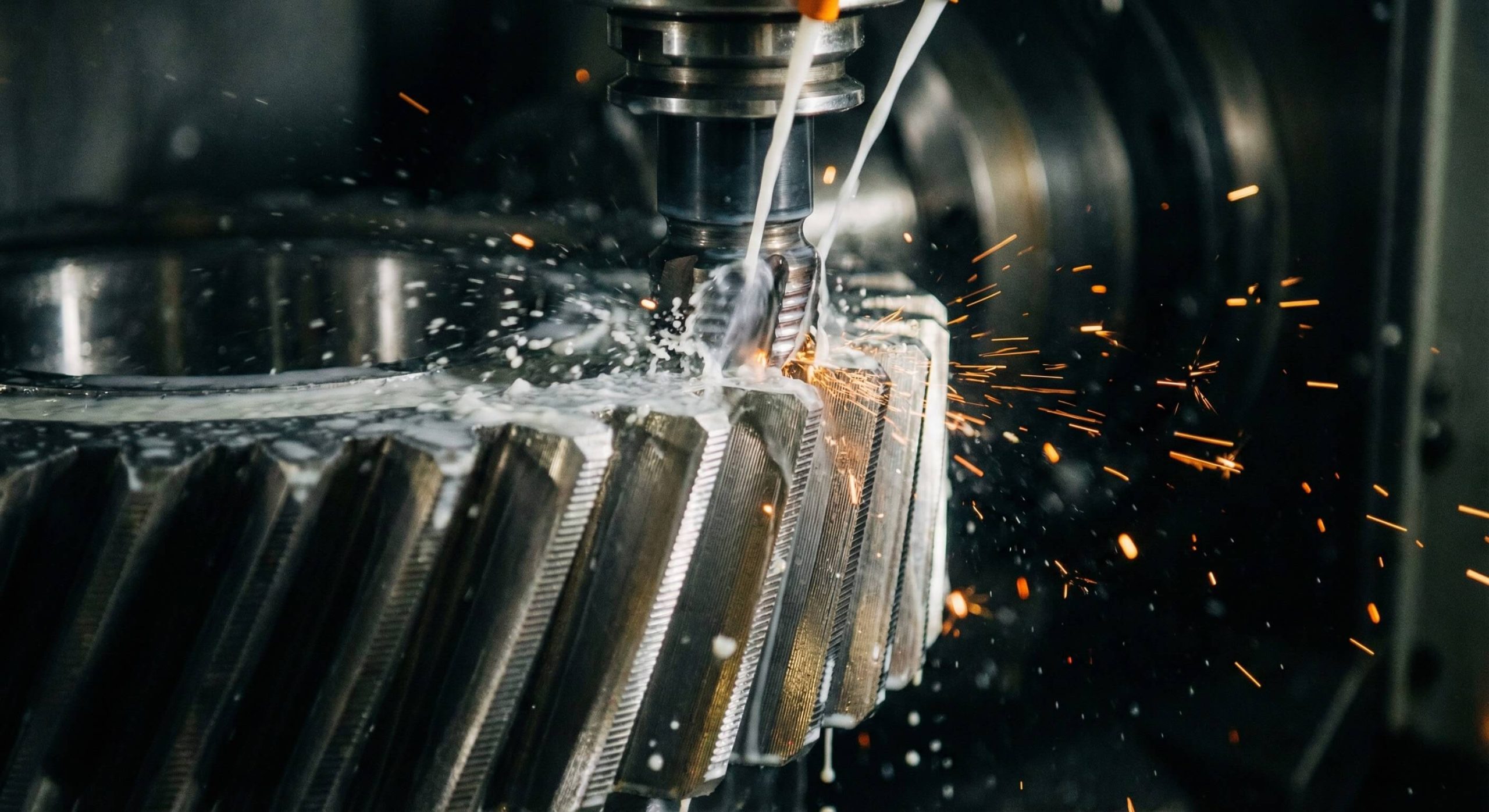
Your high-torque transmission system is likely suffering from excessive noise and vibration that causes premature mechanical failure and costly downtime. This instability stems from the instantaneous line contact of straight-toothed gears which creates harsh impacts during operation. But here’s the kicker… Precision helical gear milling provides a superior solution by utilizing progressive tooth engagement to stabilize your equipment. Our engineering team leverages advanced manufacturing techniques to deliver high-performance components that exceed modern reliability standards.
Why is helical gear milling vital for silent power?
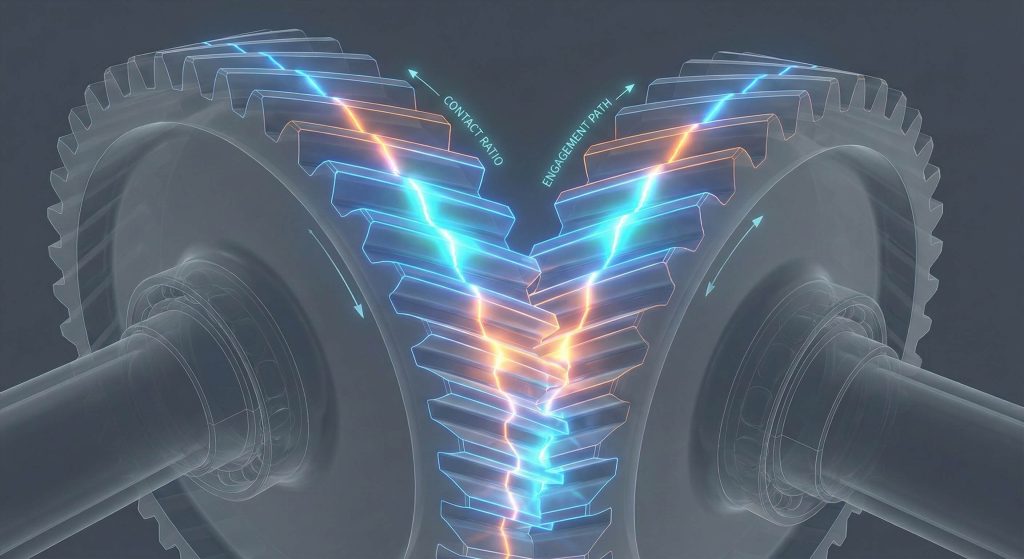
Helical gear milling is essential because it produces angled teeth that enter engagement gradually to eliminate the hammering noise associated with spur designs. This “slip-in” contact pattern ensures that the transition of force between mating gears is smooth and continuous. What’s the real story? By utilizing helical gear milling, you achieve a significantly higher contact ratio where multiple teeth share the load simultaneously. This overlapping action dampens acoustic emissions and prevents the mechanical whine often heard in high-speed industrial environments.
Primary benefits of silent gear geometries
● Reducing harmonic resonance in high-speed drives.
● Increasing operational stability through tooth overlap.
● Minimizing impact stress on the gear housing.
Technical Performance Comparison
| Feature | Impact of Helical Milling | Operational Outcome |
|---|---|---|
| Meshing Style | Progressive / Sliding | Drastic Noise Reduction |
| Contact Ratio | High Overlap | Smooth Torque Transfer |
| Force Path | Diagonal | Lower Vibration Levels |
The geometric precision of the helix angle determines the overall acoustic signature of your machinery.
Key Takeaway: Helical gear milling facilitates a progressive mesh that is fundamental to reducing operational noise in precision drivetrains.
How does helical gear milling reduce vibration in drives?
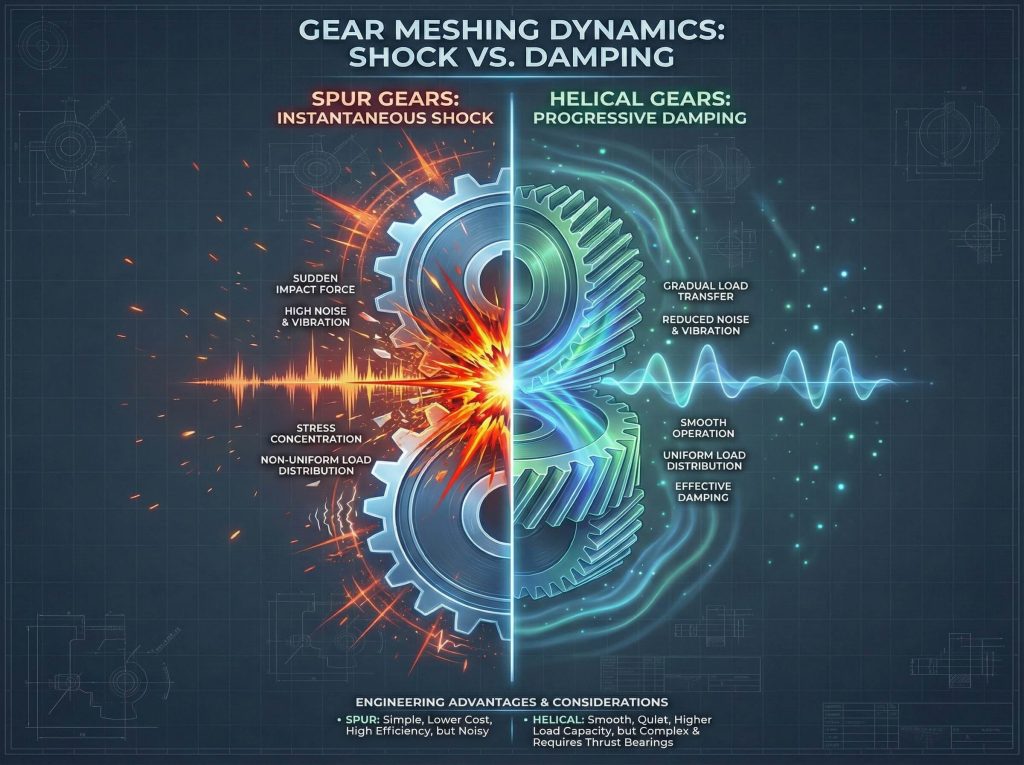
Helical gear milling reduces vibration by acting as a natural mechanical damper through its slanted tooth profile and increased surface contact. Unlike straight teeth that strike with impact, the helical design ensures that force is distributed across a wider diagonal path. Ready for the good part? This continuous engagement prevents the periodic shocks that typically trigger resonance in sensitive machine components. By refining the tooth surface during the milling process, friction is minimized to stop micro-vibrations before they propagate.
Vibration mitigation strategies
● Optimizing helix angles for specific damping.
● Enhancing surface finish to reduce friction.
● Maintaining constant contact for steady torque.
Vibration Analysis Results
| Metric | Helical Milling Impact | System Benefit |
|---|---|---|
| Resonance Peak | Significantly Lowered | Longer Bearing Life |
| Torque Ripple | Effectively Eliminated | Constant Shaft Speed |
| Surface Chatter | Micron-level Refinement | Reduced Mechanical Wear |
Advanced damping occurs when the milling toolpath is perfectly synchronized with the rotational dynamics of the gear set.
Key Takeaway: High-precision helical gear milling creates a natural damping effect that protects downstream components from destructive resonance.
Why pick helical gear milling over traditional spur cutting?
You should choose helical gear milling over spur cutting when your application requires a combination of high load capacity and smooth torque transitions. While spur gears are often cheaper to produce, they lack the overlapping engagement necessary for modern high-performance drivetrains. Wait, there’s more… Using helical gear milling allows for the creation of more compact gearboxes that can handle higher torque without increasing physical size. This transition is critical for equipment that must operate under extreme stress while maintaining a quiet profile.
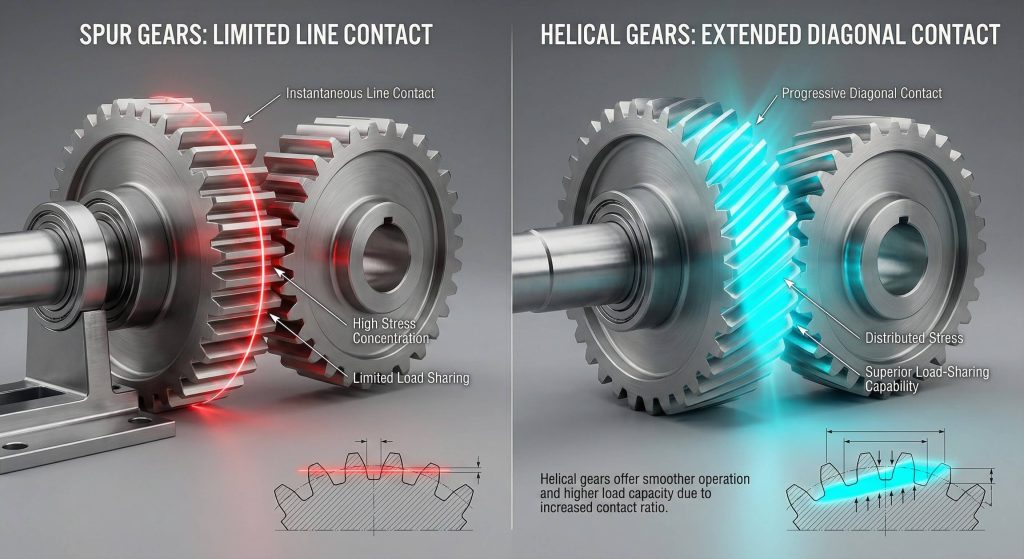
Comparison of gear manufacturing philosophies
● Enhancing durability under shock loads.
● Improving gearbox power density and efficiency.
● Adapting to complex mechanical layouts.
Gear Selection Criteria
| Property | Spur Gear Cutting | Helical Gear Milling |
|---|---|---|
| Contact Area | Limited Line Contact | Expanded Diagonal Surface |
| Load Sharing | Low (1-2 Teeth) | High (2-4 Teeth) |
| Application | Simple / Low Speed | Complex / High Torque |
The increased mechanical strength of helical teeth allows for significantly longer service intervals in heavy-duty machinery.
Key Takeaway: Helical gear milling outperforms traditional spur cutting by providing superior load sharing and operational longevity.
How do CNC systems help helical gear milling accuracy?
CNC systems help helical gear milling accuracy by synchronizing multiple axes of motion with micron-level precision to ensure the helix lead is perfectly consistent. Digital control eliminates the manual calculation errors and mechanical backlash found in older hobbing equipment. This is where it gets interesting… Modern software allows for real-time toolpath compensation to account for tool wear or material temperature changes during the cut. This rigorous digital oversight ensures that every gear in a production batch meshes perfectly with its mating component.
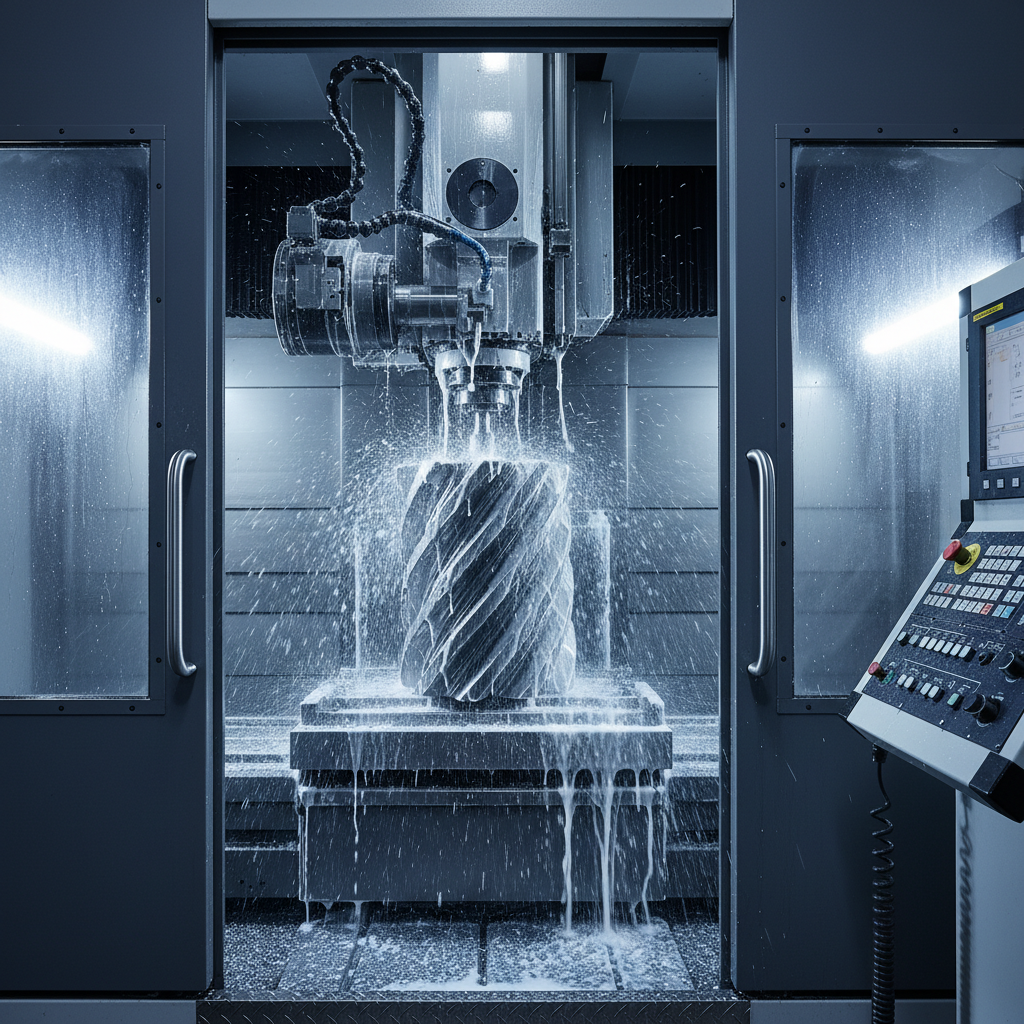
CNC precision control factors
● micron-level tooth profile verification.
● Automated lead angle adjustment.
● Real-time machining error correction.
CNC Accuracy Metrics
| Control Element | Precision Standard | Production Impact |
|---|---|---|
| Axis Sync | ±0.001mm | Perfect Tooth Lead |
| Pathing | 5-Axis Continuous | Mirror Surface Finish |
| Repeatability | High | Batch Consistency |
Utilizing advanced digital controls guarantees that your gears meet the strictest international standards for geometric conformity.
Key Takeaway: CNC-driven helical gear milling is the only reliable method for achieving the extreme tolerances required in modern automation.
What tools are essential for precise helical gear milling?
High-quality carbide end mills and indexable cutters are the essential tools required to maintain sharp profiles and smooth finishes during helical gear milling. Choosing the correct tool geometry is vital because it determines how the involute curve is formed on the slanted tooth face. Think about this: Using helical gear milling with specialized coatings helps dissipate heat and prevents material buildup on the cutting edge. This thermal management is critical when working with high-strength alloy steels that are common in industrial gear sets.
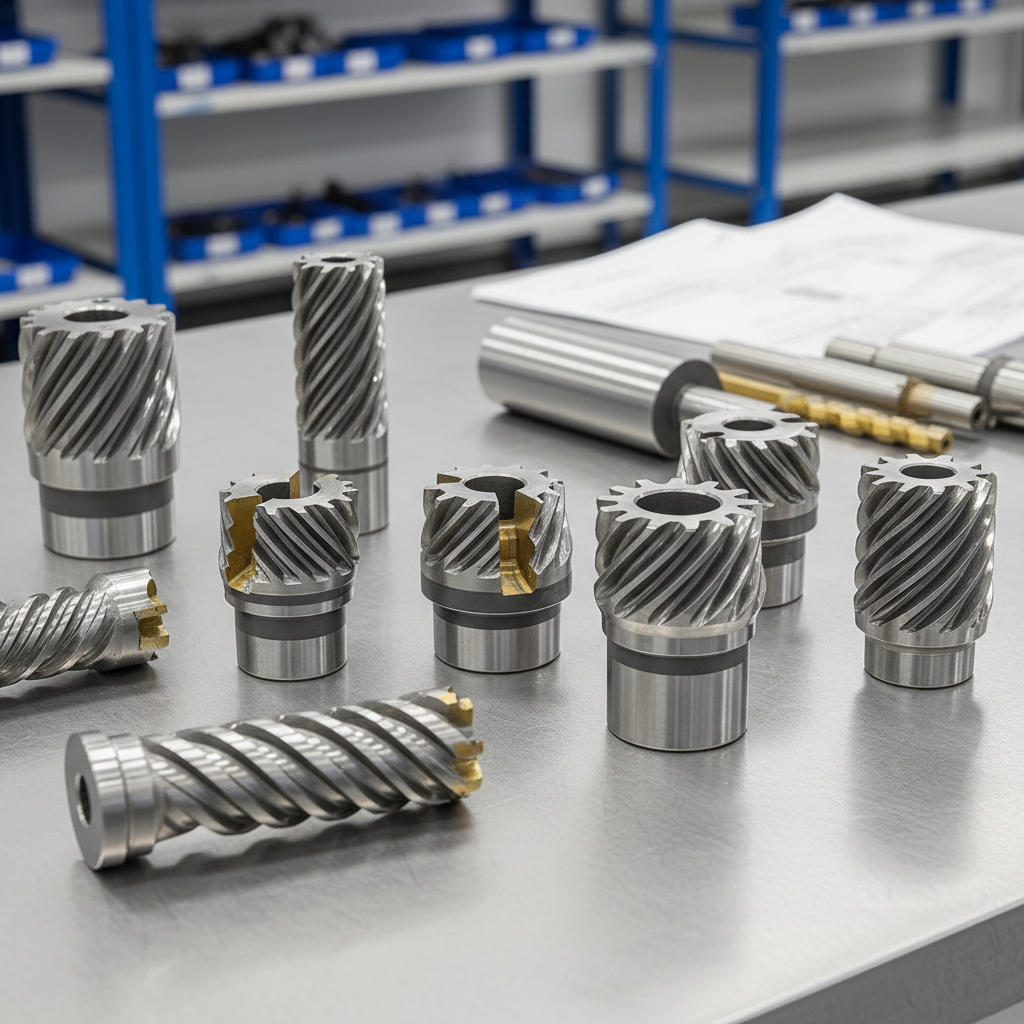
Critical tooling requirements
● Carbide cutters for high heat resistance.
● Specific coatings for alloy steel durability.
● Rigid tool holders to prevent deflection.
Tooling Selection Guide
| Tool Type | Material Suitability | Performance Goal |
|---|---|---|
| Solid Carbide | Hardened Steels | Sharp Involute Profile |
| Indexable Mill | Large Batch Sizes | Cost Efficiency |
| Coated HSS | Non-Ferrous Metals | High Surface Quality |
Correct tool selection prevents the “staircase” effect on tooth flanks which can lead to friction and noise in the field.
Key Takeaway: The integrity of your helical gear milling process is directly dependent on the rigidity and sharpness of your cutting tools.
How to solve common issues in helical gear milling?
You can solve common issues in helical gear milling by optimizing feed rates and utilizing hydraulic clamping systems to eliminate workpiece vibration. Surface chatter is a frequent problem that occurs when there is insufficient rigidity in the machine setup. But here’s the kicker… Implementing climb milling instead of conventional milling provides a cleaner cut by reducing the initial impact of the tool on the metal. Regular calibration of the rotational axis is also mandatory to ensure the helix lead does not drift during long production cycles.
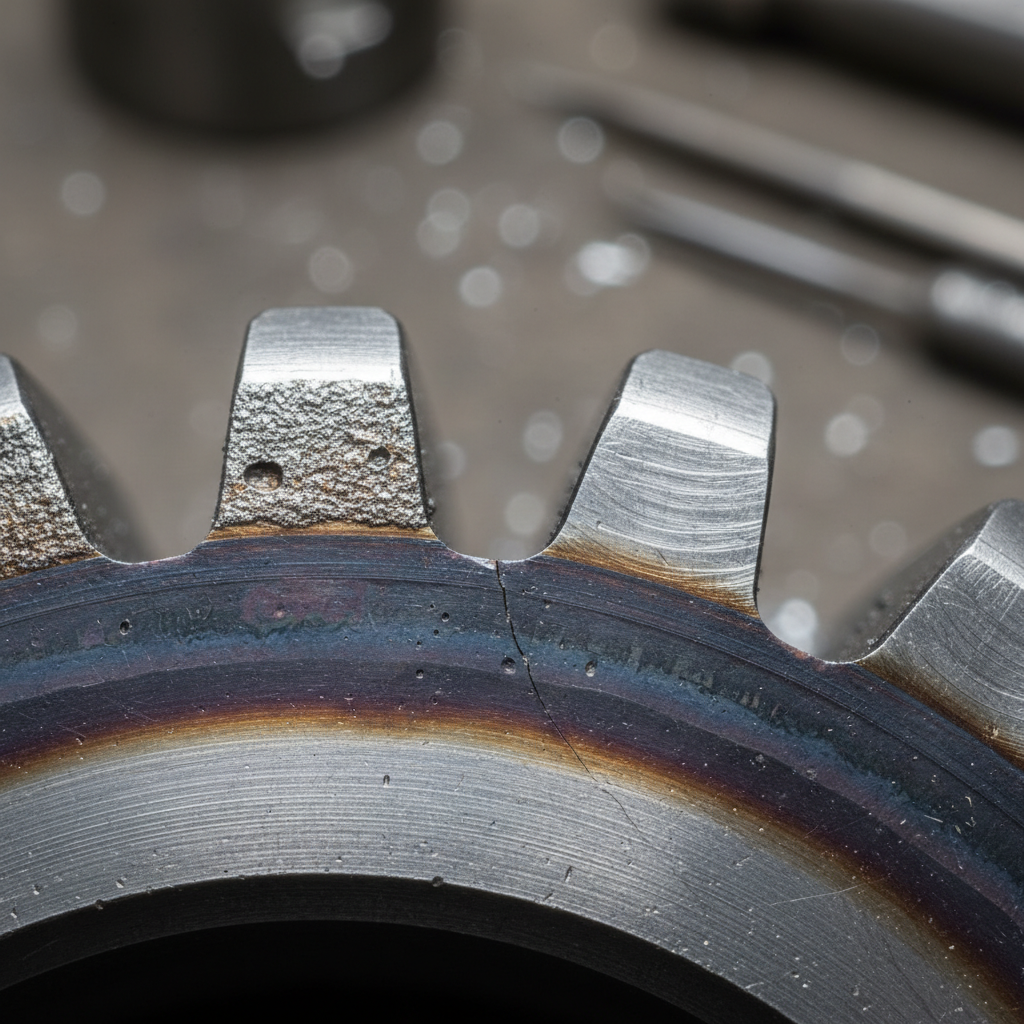
Troubleshooting milling errors
● Eliminating tooth flank chatter.
● Correcting helix lead deviations.
● Reducing tool deflection during deep cuts.
Error Correction Matrix
| Problem | Root Cause | Solution |
|---|---|---|
| Surface Flutes | Machine Vibration | Stiffer Fixturing |
| Lead Drift | Axis Decoupling | CNC Recalibration |
| Premature Wear | Excessive Heat | High-Pressure Coolant |
Proactively managing these technical variables ensures that your finished gear set runs quietly and efficiently for years.
Key Takeaway: Rigid fixturing and optimized toolpaths are your primary defenses against quality failures in helical gear production.
Which materials work best for helical gear milling?
Alloy steels such as 4140 and 8620 work best for helical gear milling because they provide the ideal balance of core toughness and surface hardenability. These materials are specifically designed to survive the sliding friction and high tooth-root stresses inherent in helical transmission. What’s the real story? Selecting a material with the correct carbon content allows for precise heat treatment results after the milling is complete. For specialized environments, stainless steels or even high-performance plastics like PEEK are utilized to provide corrosion resistance or extreme silence.
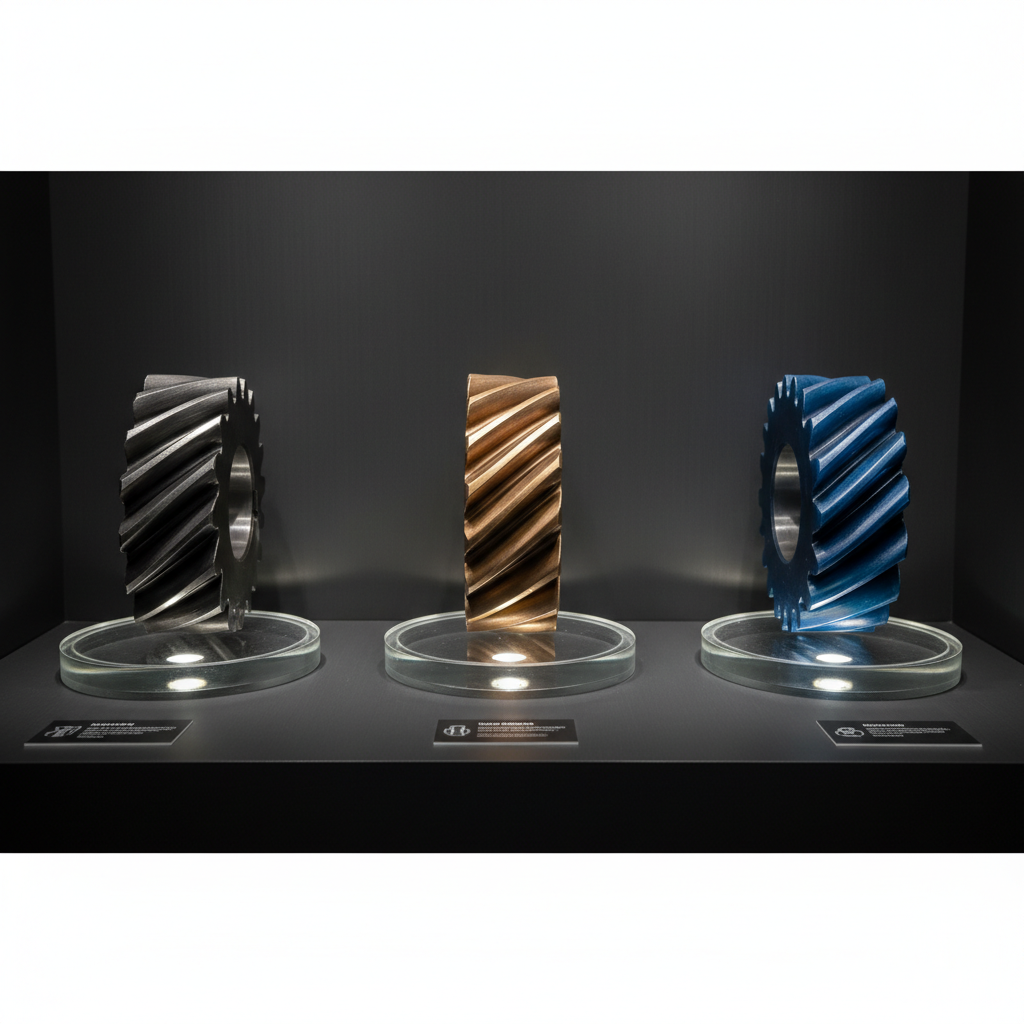
Material selection criteria
● High fatigue resistance for load sharing.
● Excellent machinability for smooth finishes.
● Compatibility with carburizing heat treatments.
Industrial Material Profiles
| Material Grade | Primary Advantage | Typical Use Case |
|---|---|---|
| 4140 Steel | High Strength | Heavy Equipment |
| 8620 Steel | Great Case Depth | Automotive Drives |
| 316 Stainless | Corrosion Resistance | Food Processing |
Matching the raw material properties to your specific torque and environmental requirements is the key to drivetrain longevity.
Key Takeaway: High-strength alloy steels are the preferred medium for helical gear milling due to their superior wear characteristics.
Why does helical gear milling require 5-axis machines?
Helical gear milling requires 5-axis machines to maintain the constant tool orientation needed to cut complex diagonal paths without geometric distortion. While 3-axis machines can produce basic gears, they often struggle with the intricate tooth modifications required for high-precision meshing. Ready for the good part? 5-axis technology allows for continuous cutting motions that result in a significantly smoother surface finish. This capability is essential for producing double-helical or “herringbone” gears which cancel out the axial thrust generated by standard helical designs.
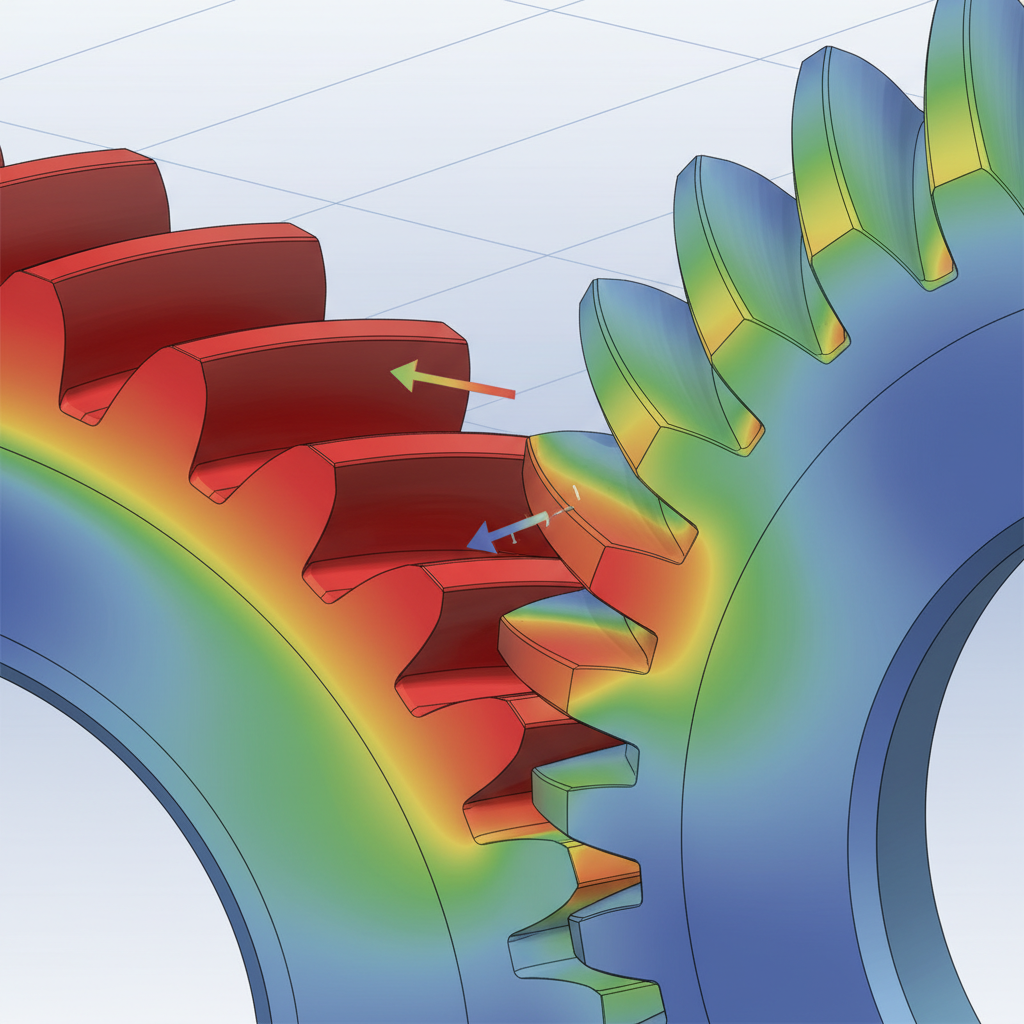
Advantages of multi-axis production
● Machining complex tooth modifications.
● Reducing the need for secondary grinding.
● Improving flank geometric accuracy.
Machine Capability Breakdown
| Axis Configuration | Capability | Precision Grade |
|---|---|---|
| 3-Axis + Rotary | Standard Helical | ISO 7 – 8 |
| Full 5-Axis | Complex Modifications | ISO 5 – 6 |
| 5-Axis Grinding | Final Finishing | ISO 4 – 5 |
Investing in multi-axis production ensures that your components meet the highest international standards for power density and efficiency.
Key Takeaway: 5-axis CNC machines represent the pinnacle of precision for modern helical gear manufacturing.
How is quality verified during helical gear milling?
Quality is verified during helical gear milling by using high-precision Coordinate Measuring Machines (CMM) to inspect the involute profile and lead accuracy against digital blueprints. This rigorous testing ensures that the helix angle is perfectly matched to the mating gear to prevent localized stress. This is where it gets interesting… Our helical gear milling process includes full batch traceability so every component has a documented history of material and inspection data. Maintaining these records is essential for mission-critical applications where failure is not an option.
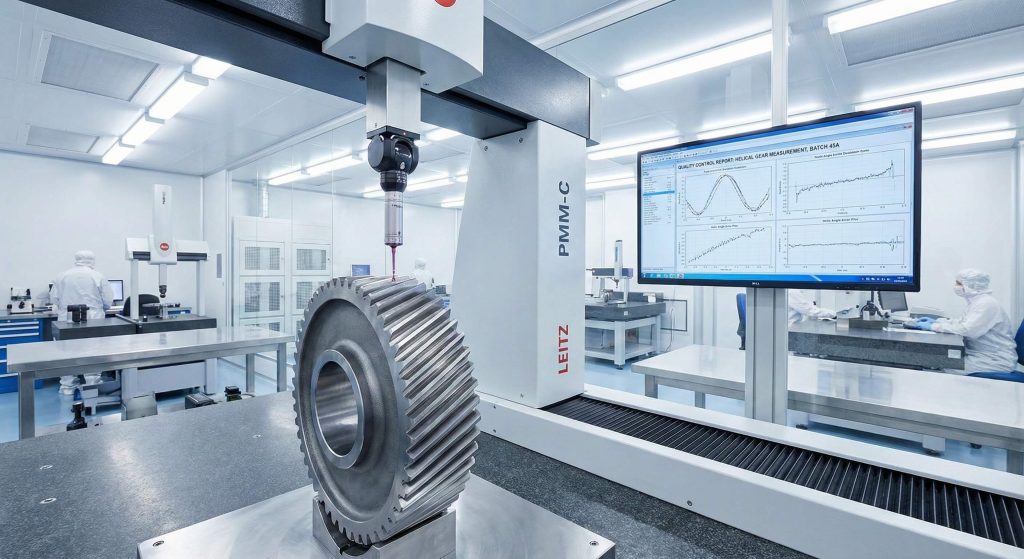
Quality verification protocols
● Measuring involute profile error.
● Verifying helix lead consistency.
● Checking tooth surface roughness (Ra).
Inspection Data Points
| Verification Tool | Metric Measured | Tolerance |
|---|---|---|
| CMM Center | Pitch / Runout | ±0.002mm |
| Profilometer | Surface Finish | ≤ 0.8μm Ra |
| Hardness Tester | Case Depth | Per Spec |
Scientific verification protocols guarantee that your transmission components will operate reliably throughout their entire service life.
Key Takeaway: Total inspection and digital verification are the only ways to guarantee the long-term reliability of milled gear sets.
What factors influence helical gear milling costs?
Factors such as material choice, precision grade, and production volume are the primary drivers of the total cost for helical gear milling services. While higher precision grades require more time on the machine, they offer a superior return on investment through reduced maintenance. The best part? Small custom orders often favor CNC milling over traditional hobbing because there are no expensive dedicated tools to purchase. Balancing these variables helps you achieve the best technical performance without exceeding your procurement budget.
Economic cost drivers
● Analyzing batch size vs setup time.
● Comparing material price impacts.
● evaluating the cost of precision inspection.
Cost Optimization Matrix
| Factor | Influence | Savings Strategy |
|---|---|---|
| Material Grade | Moderate | Match to Load Need |
| Batch Size | High | CNC for Low Volume |
| Precision Grade | Moderate | ISO 6 for General Use |
Understanding the balance between manufacturing cost and operational performance is key for every procurement manager.
Key Takeaway: Precision grade and material selection are the most significant factors that dictate the final price of milled gears.
FAQ
Can I replace spur gears with helical gears in my current gearbox?
Yes, but you must ensure the housing and bearings are rated for the axial thrust that helical teeth generate.
What’s the best way to determine the correct helix angle for my drive?
You should balance the need for smooth tooth engagement with the load capacity of your system’s thrust bearings.
How do I know if the milling quality is sufficient for my high-speed application?
Check the contact pattern using marking compound; an even spread across the tooth flank indicates high geometric precision.
Can I mill helical gears from stainless steel for food-grade equipment?
Absolutely, 316 stainless steel is a common choice for food processing environments requiring corrosion resistance and quiet operation.
How does 5-axis milling reduce my overall lead time?
It allows for a single-setup production process that eliminates the need to move parts between different machines, saving days of handling time.
Conclusion
Precision in power transmission is the bedrock of industrial stability and mechanical longevity. Gearaide envisions a future where every drivetrain operates with the silence and reliability of perfectly milled components. Our commitment to traceable quality and engineering-focused communication ensures that your systems run longer with fewer breakdowns. If you are ready to eliminate noise and vibration in your drives, contact us today to discuss your project with our technical team.